
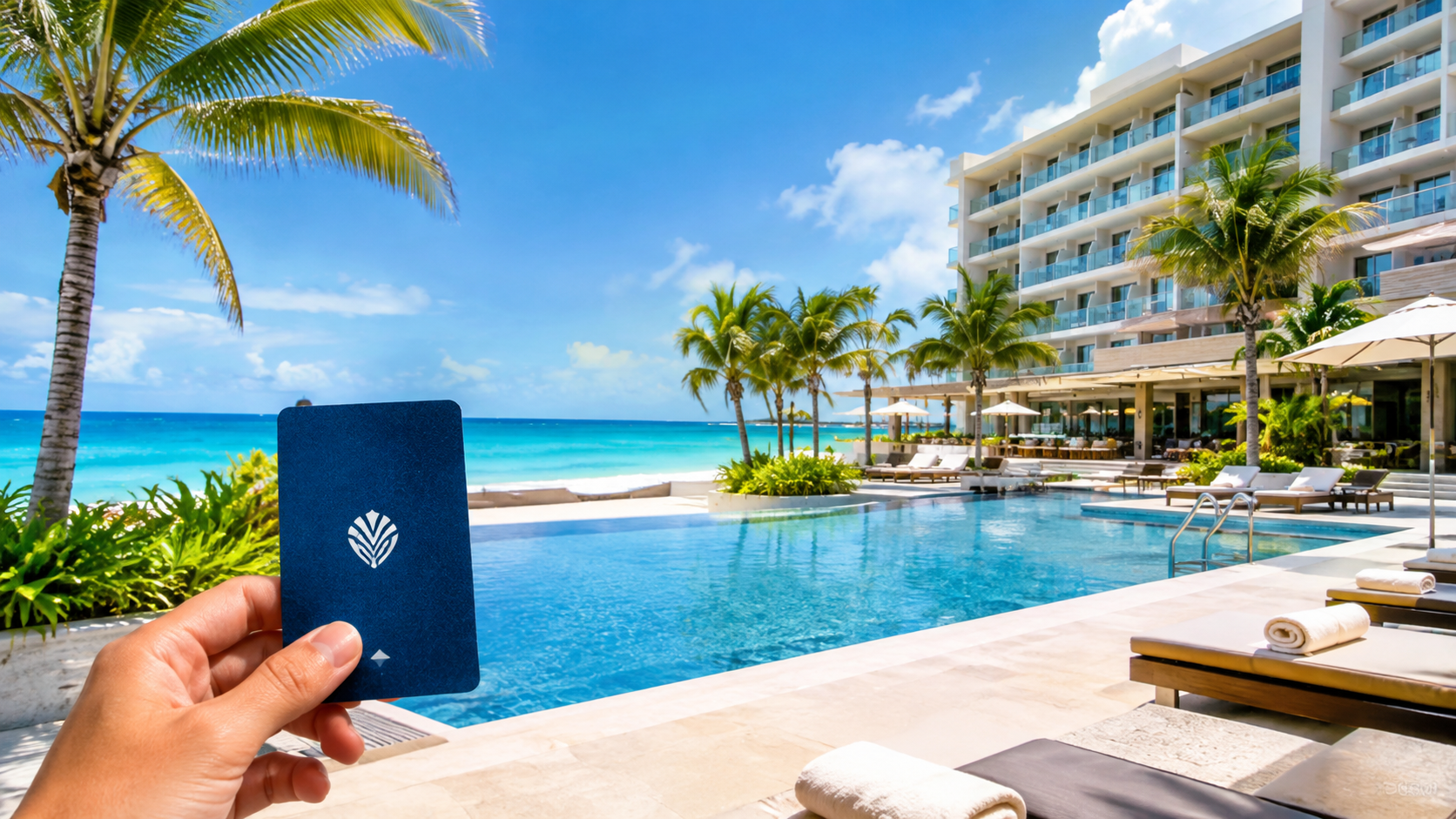
The Wyndham Cancun free 7-night hotel offer sounds like the kind of travel hack that could save a couple hundreds of dollars—until you sit through a four-hour timeshare presentation and discover that the room certificate doesn't cover everything. One traveler accepted the deal, paid roughly $150 in taxes plus another fee, and later spent $1,400 on an optional all-inclusive package for two adults. The surprising part? The vacation may still have been worth it.
- The Reality: The Wyndham certificate covered the room for seven nights, and the traveler ultimately received a confirmed reservation for a Cancun resort stay.
- The Ground Risk: Taxes, certificate fees, optional meal packages, and the time spent at the sales presentation can change the real value of the offer.
- The Traveler's Hack: Get every charge in writing, confirm whether meals and drinks are included, and compare the complete package price with a normal booking before committing.
The Wyndham Free Vacation That Wasn't Quite Free
Four hours is a long time to spend listening to a sales pitch when all you really want is a vacation.
That was the first price this traveler paid for Wyndham's promotional offer. The presentation took place the previous year, and the couple ultimately declined to buy into the timeshare program. They walked away without a new vacation ownership contract—but they kept the promotional reward.
The prize was a seven-night stay in Cancun, Mexico.
At first, the arrangement looked straightforward. The couple paid approximately $150 in taxes and believed there was another fee attached to the certificate. Booking wasn't exactly smooth, either. It took some effort to arrange the stay, and confirmation arrived only a few weeks later.
Rather than trusting the paperwork alone, the traveler contacted the hotel directly about a week before departure to verify the reservation.
That extra check mattered. Nobody wants to land in Mexico, drag suitcases through a busy resort lobby, and discover that a supposedly confirmed vacation has vanished from the system.
Fortunately, the reservation was there when they arrived.
The $1,400 Surprise: What the Free Room Didn't Cover
The biggest misunderstanding surrounding a promotional hotel certificate is often the difference between a free room and a free vacation.
Those are not the same thing.
In this case, Wyndham's certificate covered the accommodation, but the couple still paid approximately $1,400 for an all-inclusive package for two adults. According to the traveler, that package was optional, and they knew about the expense beforehand.
This distinction is important. The $1,400 wasn't described as a surprise charge forced on them at check-in. It was a known expense they chose to pay as part of their vacation plan.

Still, the word "free" can make an offer feel cheaper than it really is. A room certificate may cover the bed, bathroom, and accommodation, while meals, drinks, resort amenities, or other services fall under a separate package.
The exact terms depend on the offer and property, so travelers should never assume that a certificate includes everything simply because the destination is an all-inclusive resort.
What the Couple Actually Paid
The traveler reported that the same room type with the all-inclusive package would have cost around $2,200 for seven nights under a normal booking.
Here's how the numbers compare based on the figures shared in the original account.
| Expense | Wyndham Promotional Stay | Normal Booking Estimate |
|---|---|---|
| Room for seven nights | Covered by certificate | Included in estimated package price |
| Taxes and certificate fees | About $150 in taxes, plus another fee | Depends on booking terms |
| All-inclusive package for two adults | About $1,400 | Included in the reported $2,200 estimate |
| Known or reported total | At least $1,550, plus the additional fee | About $2,200 |
| Potential difference | Approximately $650 before the additional fee | — |
These figures come from one traveler's account, not a verified quote from Wyndham. The $2,200 comparison was the reported price for the same room type and all-inclusive package. The exact additional certificate fee wasn't specified.
On the numbers provided, the couple potentially saved around $650 before accounting for the unspecified fee and the value of the four hours spent at the presentation.
That is a meaningful discount—but not a completely free vacation.
Was the Cancun Hotel Stay Actually Worth It?
For this couple, apparently yes.
The room was not a cramped, windowless box that merely fulfilled the fine print. They received a suite with a separate bedroom, a balcony overlooking the ocean, a living room, a kitchen, and a large closet.
That extra space can change the feel of a seven-night trip. Instead of spending the entire week in one room with a bed and a tiny desk, the couple had room to spread out, relax, and enjoy the ocean view.
And that's where the deal becomes more interesting than the headline suggests.
They had already paid the time cost of sitting through the presentation. They had declined the timeshare purchase. They had navigated the booking process and confirmed the reservation independently. Once they arrived, the room was available, and the all-inclusive package cost was known in advance.
In other words, the offer worked out reasonably well because the couple understood the additional expense and decided the final package suited their plans.
But another traveler might reach a completely different conclusion.
Someone who enjoys exploring local restaurants, eating street food, and spending most of the day away from the resort might not get enough value from a $1,400 all-inclusive package. A traveler who wants unlimited convenience at the resort may value it much more highly.
The savings depend on how you actually travel, not just on the promotional headline.
The Four-Hour Timeshare Presentation Is the Real Catch
The room cost is only one part of this equation. The other is the sales presentation.
The original traveler described the session as a high-pressure presentation that lasted around four hours. A correction in the discussion made the intended meaning clear: it was the pressure, not the pitch's volume, that made the experience memorable.
And the comments revealed why these offers divide travelers so sharply.
Some people treat timeshare presentations as a game. They know they won't buy, enjoy asking questions, and feel perfectly comfortable saying no repeatedly until the sales team lets them leave.
Others find the experience exhausting or intimidating. One commenter described becoming so distressed during a Wyndham presentation that they started crying while sales staff questioned them about their finances.
Both reactions can be real. A presentation that feels like harmless entertainment to one person may feel deeply uncomfortable to another.
There is also a difference between agreeing to attend a presentation and agreeing to purchase something. Travelers should read the promotional terms carefully, understand the attendance requirements, and avoid signing a contract they haven't had time to review.
Calculate the Value of Your Time
Suppose a couple spends four hours at a presentation and potentially saves $650 on a vacation package. That's a nominal saving of $162.50 per hour of presentation time for the couple combined, before the additional fee and any other costs.
That calculation doesn't make the deal automatically good or bad. It simply puts the trade-off into perspective.
| Decision Factor | Potential Benefit | Potential Downside |
|---|---|---|
| Four-hour presentation | Access to a promotional reward | Lost vacation or personal time |
| Seven-night room certificate | Accommodation cost covered | Restrictions on dates, availability, or booking |
| Optional all-inclusive package | Convenient meals and drinks | A large additional expense |
| Declining the timeshare | Avoids a purchase you don't want | Requires confidence under sales pressure |
| Confirming directly with the hotel | Greater confidence in the reservation | Extra planning and follow-up |
The smartest question isn't whether a free vacation is worth four hours. It's whether the complete offer is worth the money, time, restrictions, and pressure involved for you personally.
How to Protect Yourself Before Accepting a Free Hotel Stay
If you're considering a Wyndham promotional vacation—or a similar hotel deal tied to a timeshare presentation—take these steps before booking.
1. Ask What the Certificate Actually Covers
Get a written breakdown of the included accommodation, taxes, certificate fees, resort charges, and optional extras. Don't assume that an all-inclusive property automatically provides meals and drinks under a room-only certificate.
2. Compare the Final Package Price
Search for the same property, room category, travel dates, occupancy, and meal plan through ordinary booking channels. A comparison is useful only when you're comparing equivalent stays.
Check the cancellation policy, mandatory charges, and whether the advertised price includes taxes. A cheaper headline price may not be the cheaper final bill.
3. Confirm the Reservation With the Hotel
Once your booking is accepted, ask the property to confirm that the reservation exists and that the room certificate has been applied correctly. Repeat the check shortly before departure, especially if the confirmation process was slow or complicated.
Keep your booking confirmation, certificate details, and relevant correspondence accessible during the trip.
4. Decide Your Walk-Away Point Before the Presentation
Know your budget and your answer before entering the sales room. You do not need to justify declining a purchase that doesn't fit your needs.
If you feel pressured, take a break, ask for the contract in writing, and review any commitment carefully before signing. If you are uncomfortable with the sales process, a promotional reward may not be worth pursuing in the first place.
5. Check the Cancellation and Booking Restrictions
Promotional certificates may have blackout dates, expiration dates, limited inventory, occupancy rules, or other conditions. Verify the specific certificate terms rather than relying on another traveler's experience.
A seven-night reward that cannot be used when you want to travel may be less valuable than a smaller discount with flexible dates.
The Verdict: A Discounted Cancun Vacation, Not a Free One
The Wyndham Cancun offer delivered what the traveler wanted: a confirmed seven-night stay, a spacious ocean-view suite, and a reported price advantage over booking the same room and all-inclusive package normally.
Based on the reported figures, the couple potentially saved about $650 before the unspecified additional fee and the value of their time.
That makes this a more nuanced story than either "free vacation scam" or "amazing travel hack." The room certificate had real value, but it came with conditions, extra costs, and a four-hour sales presentation that some travelers would never willingly repeat.
For travelers who understand the fine print, enjoy resort vacations, and can comfortably decline a timeshare purchase, the numbers may work. For those who dislike high-pressure sales or prefer flexible, independent travel, paying for an ordinary hotel booking could be the better deal.
The lesson is simple: judge the entire vacation, not the word "free."
Would you sit through a four-hour timeshare presentation to potentially save around $650 on a Cancun vacation, or would you rather pay the regular rate and keep your afternoon? Share your take—and any timeshare travel hacks or horror stories—in the comments below.
🛡️ DAYLL Editorial Transparency
This post was researched and synthesized by the Dayll consumer editorial team. We test, verify, and cross-reference public policies and insider tips to bring you actionable advice without sponsor influence.